Trauma-informed content design: a comprehensive guide
As content designers, we already prioritize accessibility and inclusion; trauma-informed design is a natural extension of that work.

As content designers, we already prioritize accessibility and inclusion; trauma-informed design is a natural extension of that work.
Accessibility isn’t just about compliance with legal standards or ticking boxes on a checklist. It’s about creating inclusive content design that works for real people in real-world situations.

At some point in your career you’ll cross paths with the need to define the maximum character length for a component. I came up with a formula.

Dip into the relationship between UX content and localization to understand their significance in global product success.
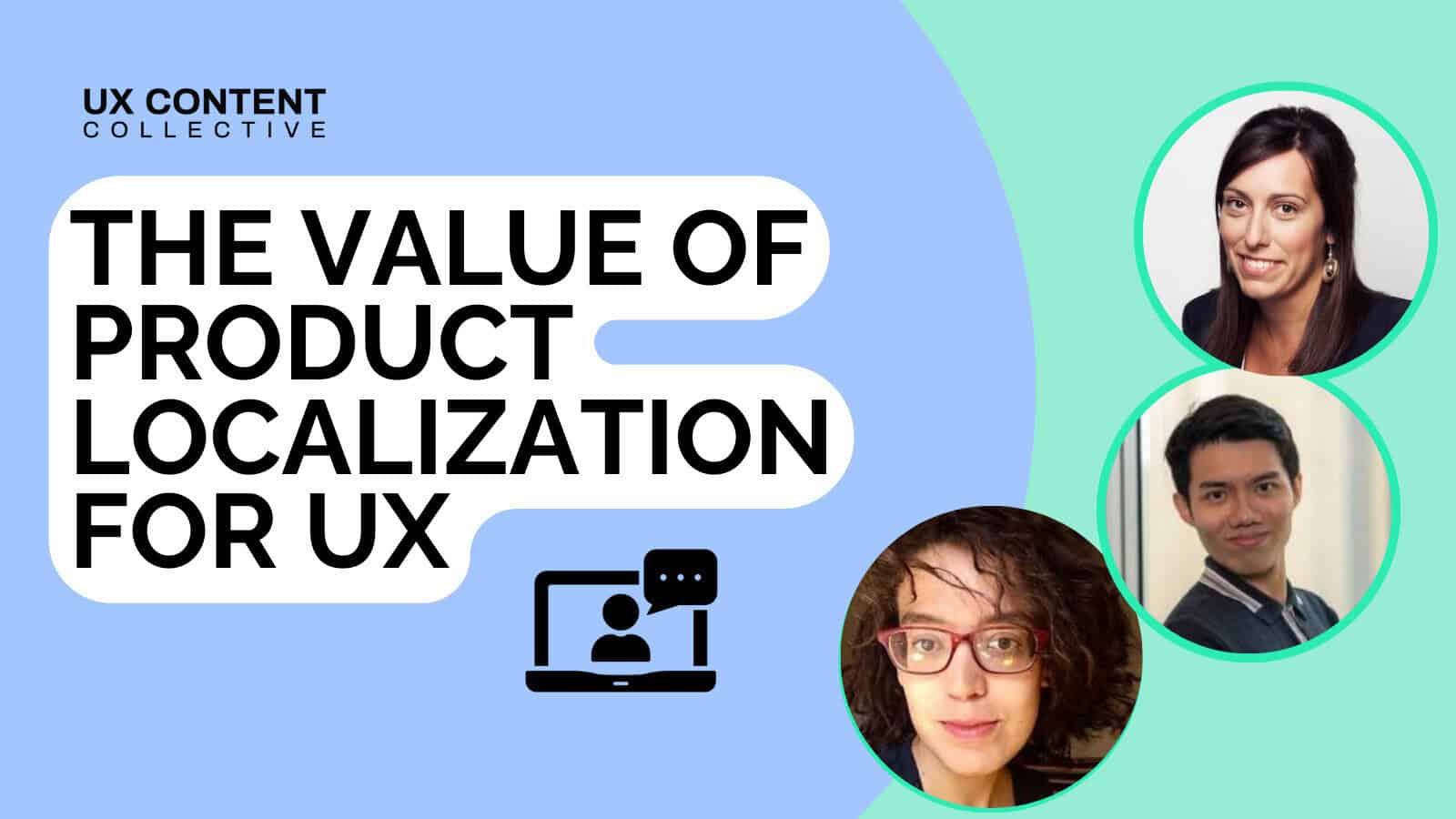
In this panel conversation, Patricia Gómez Jurado, Gabriel Lek, and Rosa Vieira de Almeida share their unique perspectives on localization in the content design process.

In this webinar, UXCC course authors discuss designing usable experiences for all and how content designers can play a role in better, more accessible products.
Truly gender-inclusive content requires support from UX writers, designers, and localization experts. Laetitia Gathion shares how to make this important collaboration work!
Emojis are fun, but they’re not always accessible. Jason Fox shares guidelines and considerations for content designers.

Upon discovering classism in UX copy in COVID-19 related writing, UX researcher John McLeod-Moya performed his own research and case study during the pandemic. Here he offers his insights for more inclusive messaging.

Writing inclusive copy allows us to build trust with all users and not leave anyone out. Kaitlyn shares a few tips for beginners on how to get started.